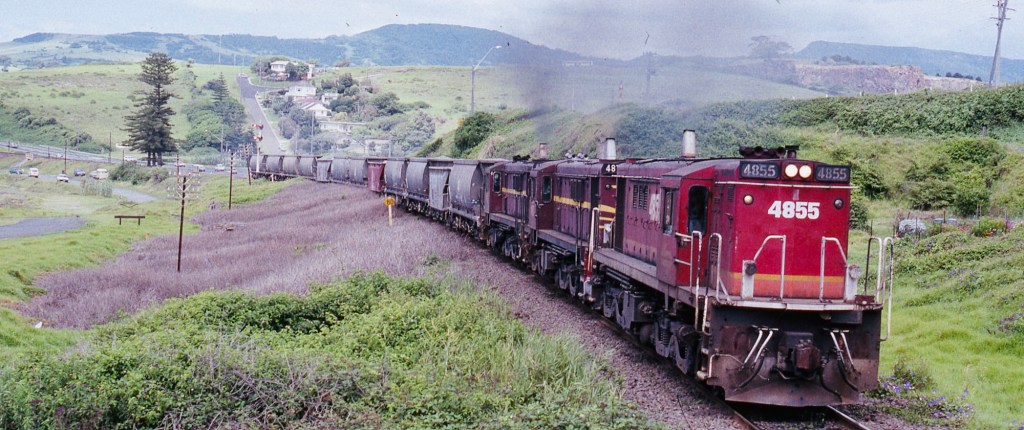
There was a time in this country when you could put your wheat on a train at Trundle, Tullamore or Tottenham and it would roll through to Parkes and on to port without burning a drop of diesel in a semi-trailer or putting a single pothole in the highway. One locomotive hauling a long string of grain wagons, moving product efficiently across country that had been opened up by the railways in the first place. That is how this nation was built.
Then somebody decided it was not profitable enough and quietly sold the lot.
During the 1990s and into the early 2000s, governments at both state and federal level privatised the public rail network piece by piece. The federally owned National Rail Corporation took over state-based rail networks, then its rolling stock and freight operations were combined with NSW’s FreightCorp and sold off to Toll Holdings and Patrick Corporation in 2002. In NSW alone, the state freight arm FreightCorp went the same way. The Queensland government sold most of QR National in 2010. The pattern was the same everywhere. The profitable freight operations went to private hands and the bush was left to watch the trains disappear.
Branch lines that had served wheat and sheep country for a century fell into disuse. Track was pulled up in some places. In others, trees simply grew through the sleepers while governments looked the other way. The Bogan Gate to Tottenham line through Trundle and Tullamore, right in the heart of NSW wheat country, is a good example of what happens when infrastructure is left to the minimum. Built to serve exactly this kind of country and exactly this kind of freight, grain trains still run but the line operates on a shoestring while billions are poured into Sydney road and rail projects.
And the cost of that decision gets paid every day on our highways.
A freight train produces sixteen times less carbon pollution than road freight for every tonne kilometre travelled. A locomotive can haul one tonne of freight nearly 800 kilometres on a single gallon of fuel. Rail uses roughly a third of the diesel that trucks burn to move the same weight the same distance. But instead of putting more freight back on rail, governments spent decades subsidising roads. Federal and state governments now spend more than 30 billion dollars a year on roads across Australia. The interstate rail network gets a fraction of that. When the ARTC, which manages the main interstate rail network, had just $153 million in 2021 to maintain its 7,500 kilometres of track, you start to understand why freight shifted to the highway.
The result is more trucks, more fuel burned, more road damage, and more cost passed on to everyone.
Then there is the passenger side of the story. Country towns that once had a train to the city now get a coach with a timetable designed around city needs rather than country ones. Departures at hours no working person can use. Connections that do not connect. And when the numbers come in low because nobody can actually use the service, they announce it is underutilised and cut it further. It is a self-fulfilling prophecy dressed up as efficiency.
What was sold off was not just trains and track. It was the backbone of regional Australia. It was the infrastructure that made it possible to farm country far from the coast, to live in small towns and still connect with the wider economy, to move bulk goods without wearing out roads that then cost a fortune to repair.
We were told it would be more efficient in private hands. The efficiency is hard to spot from out here.
Billy Edwards
Tullamore NSW
29-mar-2026
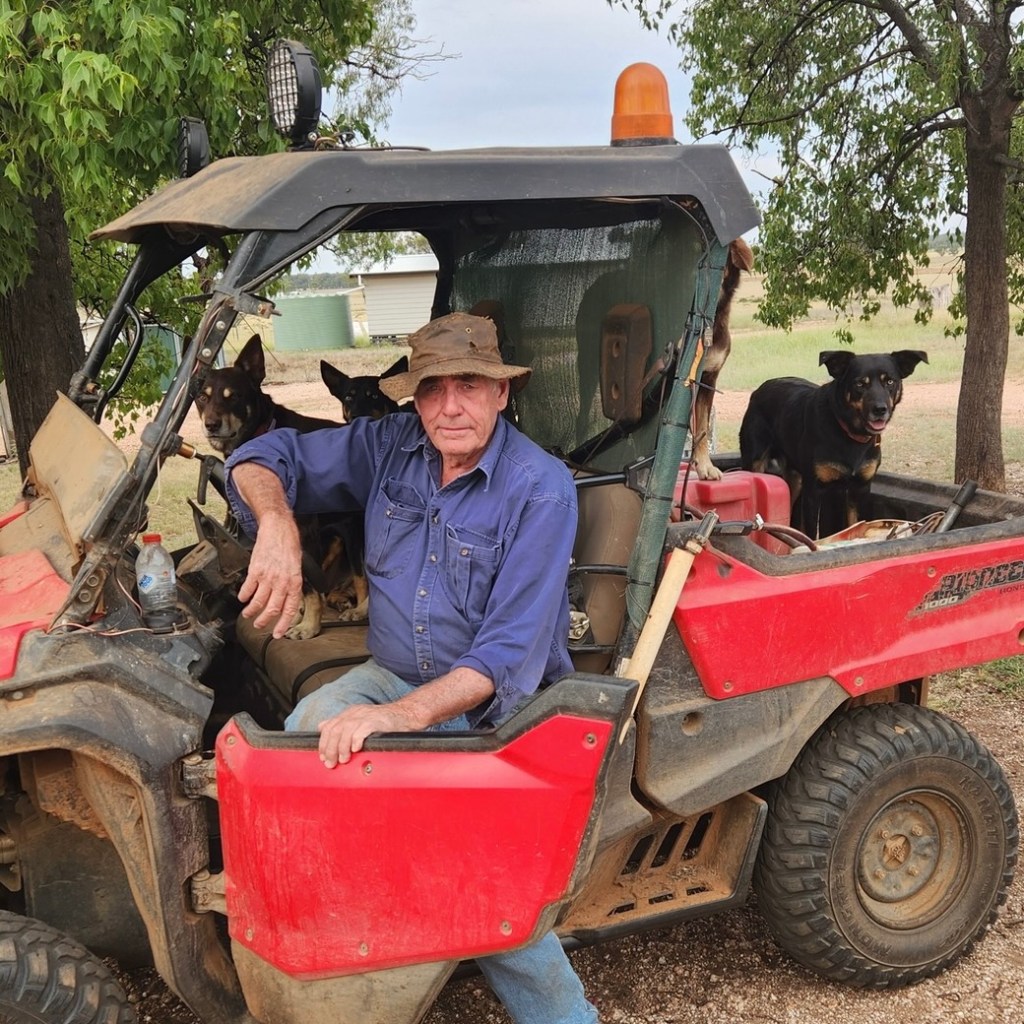
Billy is a farmer living to Tullamore NSW. As a grain grower he lived through the impact for the privatisation of rail freight services by the NSW Government. In February 2002 the NSW Government (under the Carr Labor government) and the Federal Government combined FreightCorp and National Rail into a single sale. FreightCorp was sold for approximately $1.17 billion to a consortium consisting of Toll Holdings and Patrick Corporation. This new private entity was named Pacific National.
