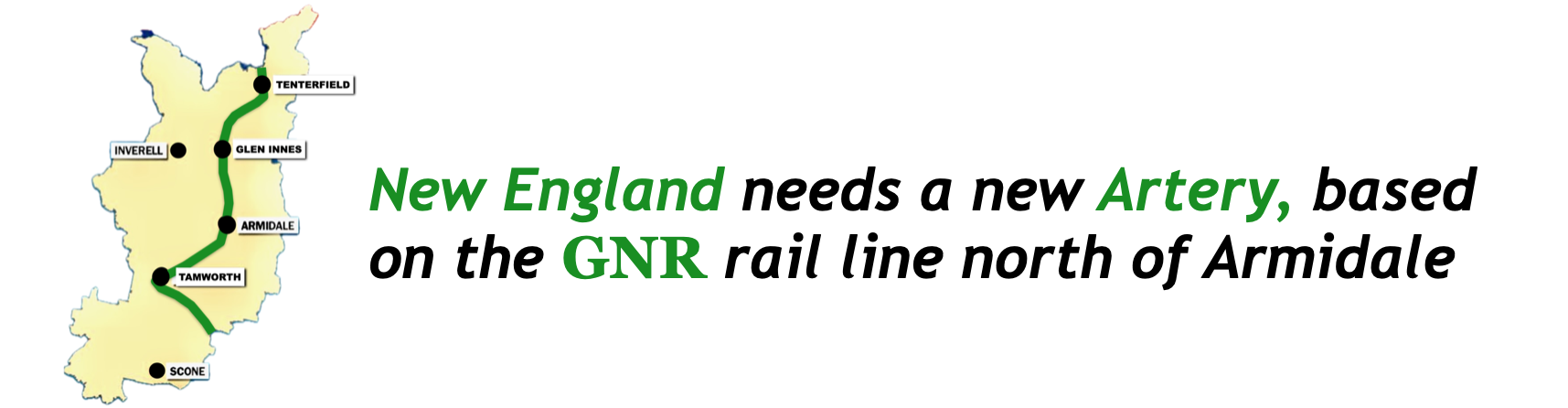
1. New England Region
Armidale was first settled in the early 1830s, following the earlier exploration of the area by John Oxley. Oxley recommended the region for grazing, and soon early pioneers set up small farms in the locality. Armidale, which was surveyed in 1848 and gazetted in 1849, was established to provide a market and administration centre for the farms. The town grew rapidly following the discovery of gold at nearby Rocky River and Gara Gorges in the 1850s.[5][3]
| New England Region Demographics | |||
| Based on the Latest ABS data (2021) | |||
| Characteristic | Armidale Regional Council | Glen Innes Severn Council | Tenterfield Council |
| People | 29,124 | 8,931 | 6,810 |
| Male | 48.10% | 49.40% | 48.90% |
| Female | 51.90% | 50.60% | 51.10% |
| Median Age | 37 | 50 | 55 |
| Families | 6,896 | 2,271 | 1,800 |
| avg number children per family | null | null | null |
| for families with Children | 1.9 | 1.8 | 1.8 |
| for all households | 0.6 | 0.5 | 0.5 |
| All Private Dwellings | 12,888 | 4,592 | 3,948 |
| Avg number of people per household | 2.3 | 2.1 | 2.1 |
| Median weekly household income | $1,404 | $934 | $885 |
| Median monthly mortgage repayments | $1,436 | $1,083 | $1,083 |
| Median weekly rent | $285 | $220 | $240 |
| Avg number of motor vehicles per dwelling | 1.8 | 1.9 | 1.9 |
Published by NSW Department of Planning and Environment dpie.nsw.gov.au Title: New England North West Regional Plan 2041 ISBN: 978-1-76058-632-4 First published: September 2022
2. Armidale Regional Council’s Key Priorities
• deliver a variety of housing options in Armidale and promote development that contributes to the unique character of Ben Lomond, Black Mountain, Guyra, Ebor, Hillgrove, Llangothlin and Wollomombi
• foster the growth of knowledge-based services, high-order education services and health-related industries in Armidale CBD and around the Armidale Rural Referral Hospital and University of New England
• Armidale Regional Airport as an opportunity for year-round tourism and a hub for state emergency services
• upgrade the airport to ensure full functionality for the RFS fleet
• support the development of employment lands such as the Airport Business Park and Acacia Park
• using NBN fibre to the premises to grow businesses
• support the sustainable and effective management of water resources to enable drought-proofing
• encourage diversification in agriculture, horticulture and agribusiness to grow these sectors and harness domestic and international opportunities
• support the New England Regional Arts Museum and other arts organisations to position the LGA as a recognised arts and cultural centre in regional Australia
• implement place-based planning principles to build more liveable communities for residents
• leverage the REZ and to identify and promote wind, solar and other renewable energy production opportunities
• acknowledge and support new and emerging opportunities presented in the nationally significant greenhouse industry which will continue to grow and evolve at Guyra
3. Glen Innes Severn Shire Council’s Key Priorities
• deliver a variety of diverse housing in Glen Innes and promote development that contributes to the unique character of Emmaville and Deepwater
• encourage diversification in agriculture, horticulture and agribusiness to grow these sectors and, harness domestic and international opportunities, and maximise innovation in the sector arising from the Glen Innes Agricultural Research and Advisory Station
• support new and emerging job opportunities associated with Glen Innes District Hospital
• continue to develop access and logistics infrastructure on appropriate sites to attract new industries
• identify opportunities to expand nature-based, adventure and cultural tourism places and new visitor experiences by leveraging environmental and iconic assets such as the Australian Standing Stones and neighbouring national parks
• implement place-based planning to build more liveable communities for residents
• identify and promote wind, solar, bioenergy and other renewable energy production opportunities as part of the REZ
Glen Innes Severn LGA has an ageing population, and this trend will continue over the next 20 years. It is estimated that 30% of the population will be aged over 65 in 2026 and 34% of the population by 2036.
4. Inverell Shire Council’s Key Priorities
• encourage diversification in agriculture, horticulture and agribusiness to grow these sectors and harness domestic and international opportunities
• support the development of employment lands
• expand nature-based, adventure and cultural tourism places and enhance visitor experiences by leveraging the area’s environmental and iconic assets including Copeton Dam • support initiatives aimed at raising the profile of the area to attract younger people and business development
• deliver a diversity of housing in Inverell and promote development that contributes to the unique character of Ashford, Gilgai, Yetman, Tingha and Delungra
• continue to develop access and logistics infrastructure on appropriate sites to encourage new industry opportunities, including food production • leverage the REZ and new renewable energy projects
5. Tenterfield Shire Council’s Key Priorities
• deliver a variety of housing options and sensitive development in Tenterfield, Drake, Urbenville, Torrington, Mingoola, Liston, Legume and Jennings
• encourage diversification in agriculture, horticulture and agribusiness to grow these sectors and harness domestic and international opportunities
• develop access and logistics infrastructure on appropriate sites
• expand cultural and Aboriginal tourism and nature based adventure, including eco-tourism and mountain bike trails
• attract a vibrant, young and mobile workforce
• provide services for the older population
• leverage cross-border opportunities with South East Queensland particularly with Brisbane West Wellcamp Airport and Brisbane
• leverage the REZ and wind, solar and other renewable energy production opportunities
• support the sustainable and effective management of water resources to enable drought-proofing
• implement place-based planning principles to build more liveable communities for residents.
• Support the maintenance and growth of Tenterfield’s CBD and the rich built and natural heritage are showcased as a destination.
6. Uralla Shire Council’s Priorities
• support new housing in Uralla and surrounds and protecting the character Bundarra and settlement areas of Arding, Rocky River, Kingstown, Invergowrie and Kentucky
• grow and diversify the local agricultural base and opportunities for agribusiness and local processing of rural products
• support the emerging boutique food and tourism-based retail enterprises
• encourage renewable energy developments that are compatible with the LGA’s lifestyle and valued environmental assets
• expand nature-based, adventure and cultural tourism • raise the area’s profile and opportunities with younger people
• continue to develop access and logistics infrastructure on appropriate sites.
7. Walcha Shire Council’s Priorities
• deliver a variety of housing in Walcha and development that contributes to the unique character of Nowendoc
• encourage diversification in agriculture, horticulture and agribusiness to grow these sectors and harness domestic and international opportunities
• investigate opportunities for social, affordable and seniors housing
• continue to develop access and logistics infrastructure within the Namoi Regional Job Precinct
• expand nature-based adventure, cultural tourism places, and food and wine opportunities
• leverage on the REZ and new wind, solar and other renewable energy production opportunities
• promote a vibrant, young and mobile workforce
• provide services for the older population
• raise the area’s profile and awareness of employment, business development and lifestyle opportunities, particularly for younger people
• foster resilience and diversification in the agricultural industry
• support the sustainable and effective management of water resources to enable drought-proofing
• implement place-based planning in communities.
8. Regional NSW Priorities
The last sentences in the Regional Plan 2041 say: –
“Provide for local services that meet the day-to-day needs of residents and areas for open space and recreation which where possible provide buffers between natural hazards and development.
Design and locate development to minimise the need to travel, maximise the opportunity for efficient public transport and pedestrian access options, and encourage energy and resource efficiency whilst building resilience.”
Clearly rail corridors are critical infrastructure and essential for the health and safety, wellbeing, social needs and economics of business and industries.
9. NSW Planning Priorities
The backbone of NSW Planning priorities is based on the concept that infrastructure improves quality of life, making cities and regions better places to live. nModern, efficient infrastructure is vital for the growth, prosperity and wellbeing of NSW communities. Planning for future infrastructure and upgrading existing services are critical for urban and regional development. It is also necessary for stimulating our economy and supporting housing supply. The Transport and Infrastructure SEPP ensures infrastructure is delivered with appropriate environmental assessment and consultation. The huge level of funds used on growing and updating greater Sydney’s public transport demonstrates their commitment to the NSW Plan.
10. South East Queensland Region
The Toowoomba region has an abundance of quality primary, secondary and University educational facilities, and a stable quality workforce. Housing and industrial land pricing is lower than capital cities. Toowoomba is serviced by 3 major hospitals and its population is approximately 172,000. Transport is a major activity in their forward planning with the Wellcamp airport and the Inland Rail high in the priorities as drivers of growth and future prosperity.
SEQ has a major group of Local Government Mayors and official who do what they can the ensure that the area works as a team and provides a united front. No doubt they will be working very closely with the 2032 Olympic games organisers.
10. Australia
In 2023, Australian planning priorities focused on a net-zero future, healthy communities, Aboriginal and Torres Strait Islander knowledge, environmental protection, and a secure, resilient nation, with a focus on science and research to achieve these goals.
Rick Banyard
Project Director
New England Transport Plan
1-may-2025
